The Future is NEUTRAL Accelerates Its European Expansion
A New Milestone in Structuring the European End-of-Life Vehicle Market
The European end-of-life vehicle (ELV) market is entering a period of profound transformation. With nearly 5.3 million vehicles processed each year across approximately 13,000 treatment facilities, the sector remains highly fragmented despite its strategic importance for both the automotive industry and the environmental transition.
Following a peak in 2009, the number of dismantled vehicles has gradually declined due to a combination of factors, including longer vehicle lifespans, rising new vehicle prices, and increasing exports of used vehicles outside the regulated European framework. As a result, a significant share of vehicle flows still escapes the official treatment network, limiting the overall efficiency of recycling activities.
This landscape is rapidly evolving. The forthcoming European ELV Regulation represents a major turning point for the industry, strengthening vehicle traceability, introducing stricter controls on exports, and imposing more ambitious recycling and reuse requirements. By 2032, the incorporation of recycled materials into vehicles—particularly plastics, with a minimum content requirement of 15%—is expected to become standard practice. At the same time, obligations placed on treatment operators and vehicle manufacturers will increase significantly.
In this new environment, consolidation and industrialization are becoming essential levers for meeting both regulatory and environmental requirements.
Italy: A Key Market at the Heart of the European Strategy
Against this evolving backdrop, Italy stands out as a priority market. With approximately 800,000 vehicles processed each year, it is one of Europe’s leading automotive dismantling markets. However, the sector remains highly fragmented, offering substantial opportunities for consolidation and industrial development.
For The Future is NEUTRAL, Italy represents far more than a growth opportunity. It is a strategic foothold for securing access to recycled materials, expanding parts reuse activities, and strengthening an integrated European ecosystem dedicated to automotive circularity.
Pollini Group: A Leading Industrial Player in Italy
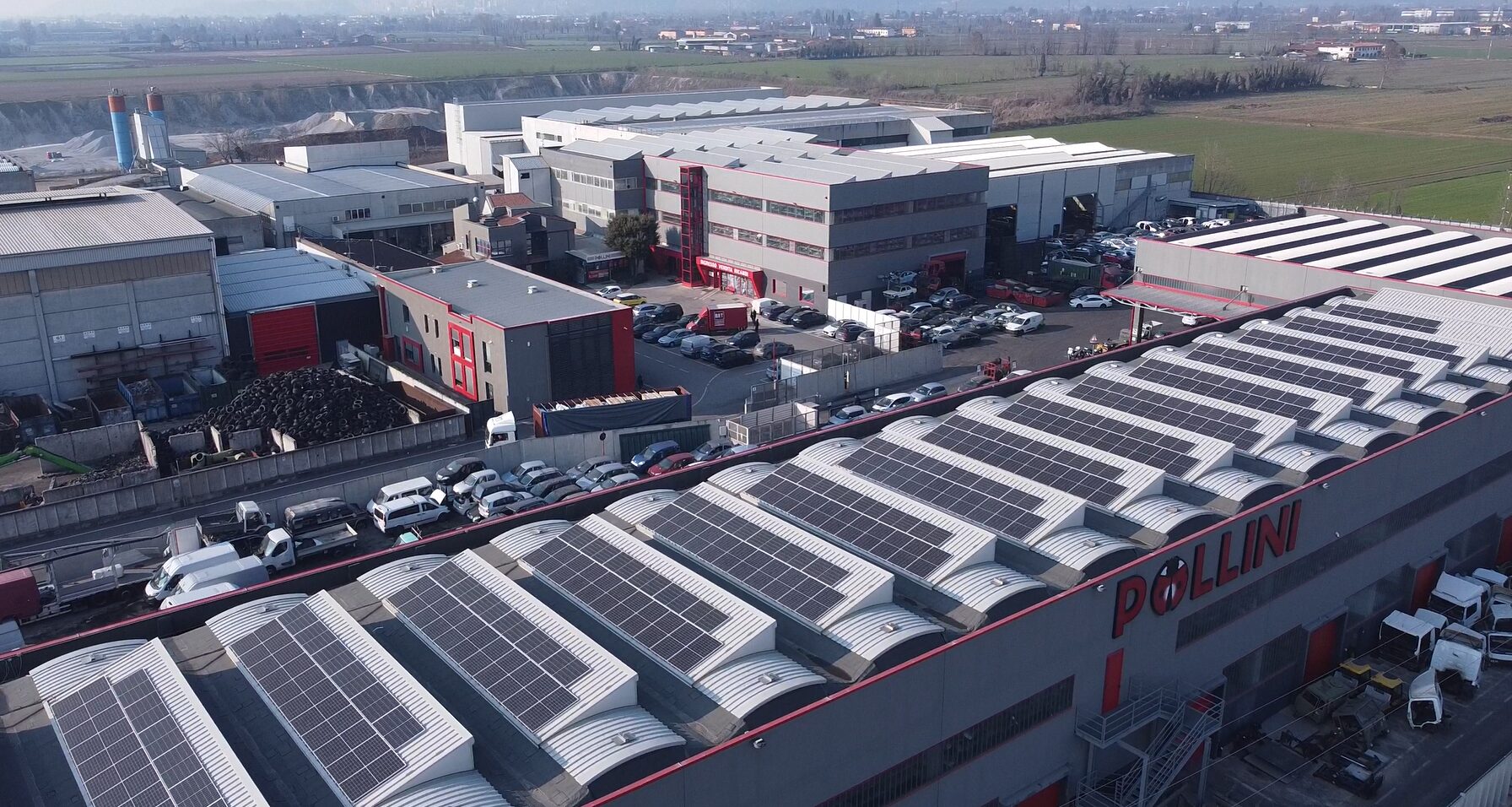
It is within this context that the partnership with Pollini Group takes shape. As a leading automotive recycling company in Italy, Pollini Group has built a strong and efficient industrial model over more than forty years and remains owned by its founding family. Pollini Group has built a strong and efficient industrial model over more than forty years and remains owned by its founding family.
With 12 sites across Northern Italy, 330 employees, and the capacity to process 30,000 vehicles annually, Pollini Group covers the entire ELV value chain, from vehicle collection to the resale of reused parts. Its flagship facility, spanning nearly 80,000 square meters, exemplifies this integrated industrial approach, combining operational efficiency with advanced recycling technologies.
Beyond its scale, Pollini Group stands out for its ability to maximize the recovery of materials—including metals, plastics, glass, and rubber—while meeting the highest environmental standards. This expertise positions the company as one of the best-equipped players to support the sector’s ongoing transformation.
Simone Pollini
Chief Executive Officer and shareholder, Pollini Group
“For 40 years, we’ve built something we’re proud of: an industrialized system for managing end-of-life vehicles, one that lets us run and control remote sites while staying perfectly connected to our head office, in real time. From the moment we collect a vehicle, we track every step digitally — transport, depollution, treatment, parts recovery, sales, right through to producing materials ready for recycling — so we can guarantee the highest level of circularity in everything we handle. None of this would have been possible without the hard work and investment of three brothers — Giuseppe, Maurizio, and me, Simone — and today our sons, Matteo and Giacomo, are carrying that forward. And who knows, other Pollini’s might be ready to join us on this journey yet. We also want to thank our whole team: their dedication and spirit of collaboration have been the extra energy behind everything we’ve built. Our partnership with The Future is Neutral will give us even more strength and room to grow, through shared knowledge and a real boost toward international growth — something that would be hard to achieve without a partner already so well-established across Europe.”
A Strategic Alliance to Build a European Leader in Automotive Circular Economy
In January 2026, The Future is NEUTRAL reached a significant milestone by announcing the acquisition of a strategic 30% stake in Pollini Group. This investment reflects a clear ambition: to help build a more efficient, transparent, and circular ELV market.
By combining their expertise, the two companies aim to accelerate the industrialization of automotive dismantling activities in Italy while developing a nationwide network capable of serving all vehicle manufacturers operating in the market. The partnership also seeks to harmonize operational standards, improve material traceability, and enhance the environmental performance of the sector, particularly in anticipation of the growing number of electric vehicles reaching end-of-life.
Victoria Guérendel
Strategy & Innovation Project Manager, The Future is NEUTRAL
“This investment marks a major milestone in our European strategy. By partnering with Pollini Group, The Future is NEUTRAL strengthens its ability to structure the end-of-life vehicle sector in Italy and support the entire automotive industry in transitioning toward more circular, efficient, and sustainable business models.”
A Growth and Synergy Lever at the European Level
The integration of Pollini Group fully aligns with The Future is NEUTRAL’s growth strategy. It will strengthen synergies across the company’s various activities, including ELV treatment, parts reuse, and materials recycling.
The partnership also paves the way for greater industrial scale, with ambitions to expand processing capacities, optimize logistics flows, and deploy common standards across Europe. At the same time, the development of an affiliate network in Italy will broaden territorial coverage and provide a consistent, high-performance solution for all market stakeholders.
A Clear Ambition for 2030
Through this acquisition, The Future is NEUTRAL reaffirms its ambition to become a leading player in the European automotive circular economy. The company aims to triple its revenue by 2030 through the expansion of its industrial infrastructure and the development of integrated networks at both national and European levels.
Already firmly established in France through INDRA AUTOMOBILE RECYCLING, The Future is NEUTRAL continues its European expansion to support manufacturers, dealership networks, ELV treatment centers, and insurance companies in managing end-of-life vehicles more efficiently and sustainably. The integration of Pollini Group is a key step in strengthening this ecosystem.
Significant synergies are expected across the group’s activities, including the sharing of operational best practices and ELV recovery expertise with INDRA, enhanced material sourcing capabilities through THE REMAKERS, increased parts availability and inventory optimization with OPISTO, and greater pooling and valorization of recycled materials through GAIA.
At a time when the sector is undergoing profound change, driven by increasing regulatory requirements and major environmental challenges, this strategy aims to build a robust, scalable, and sustainable industrial model across Europe—one that is capable of meeting the challenges of tomorrow.
DOCUMENTS
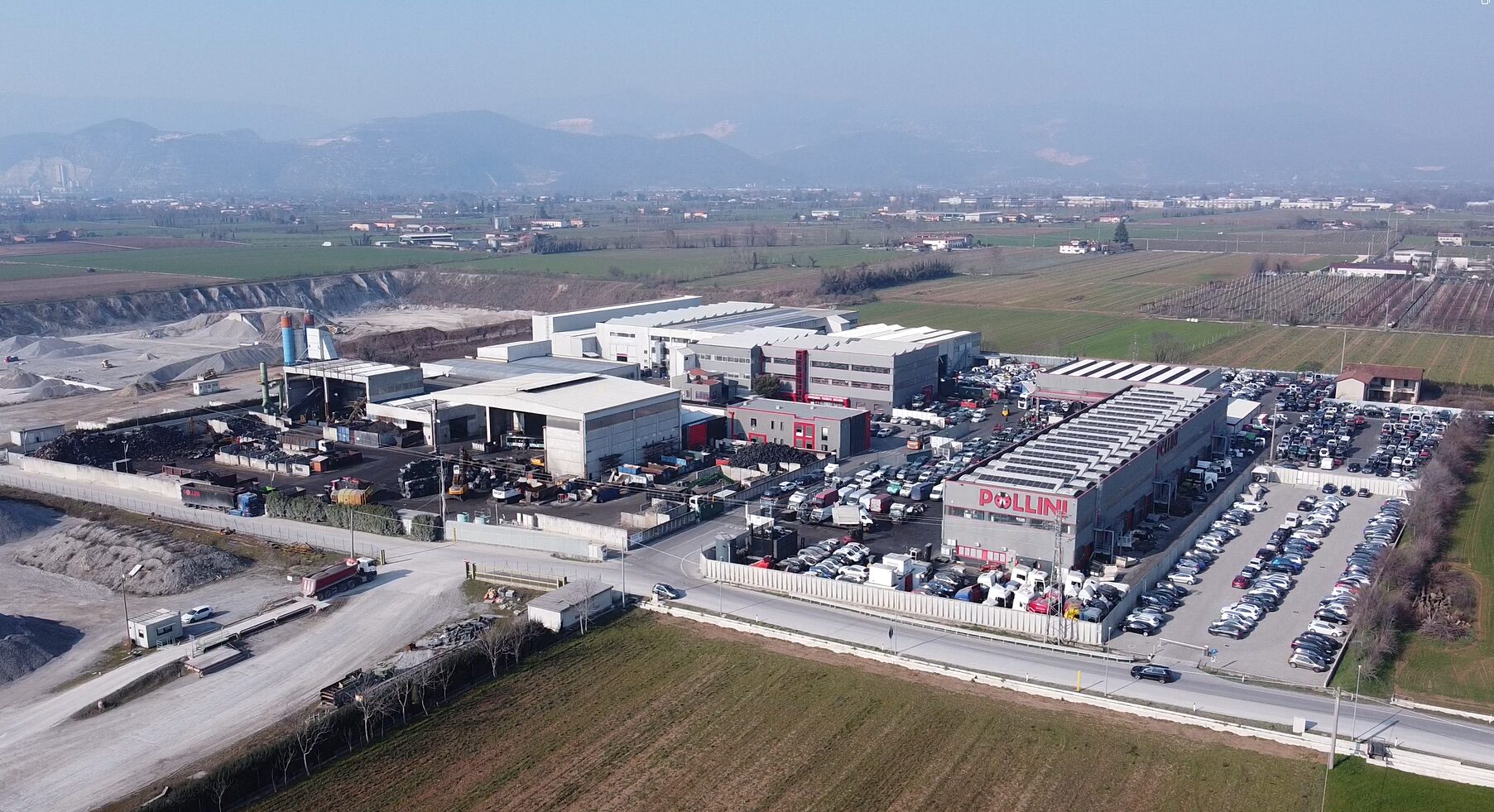
Pollini Group / © Pollini Group
Download (JPEG, 395ko)
THIS CONTENT
MAY INTEREST YOU

Opisto: making used automotive parts
easier to buy and sell across Europe
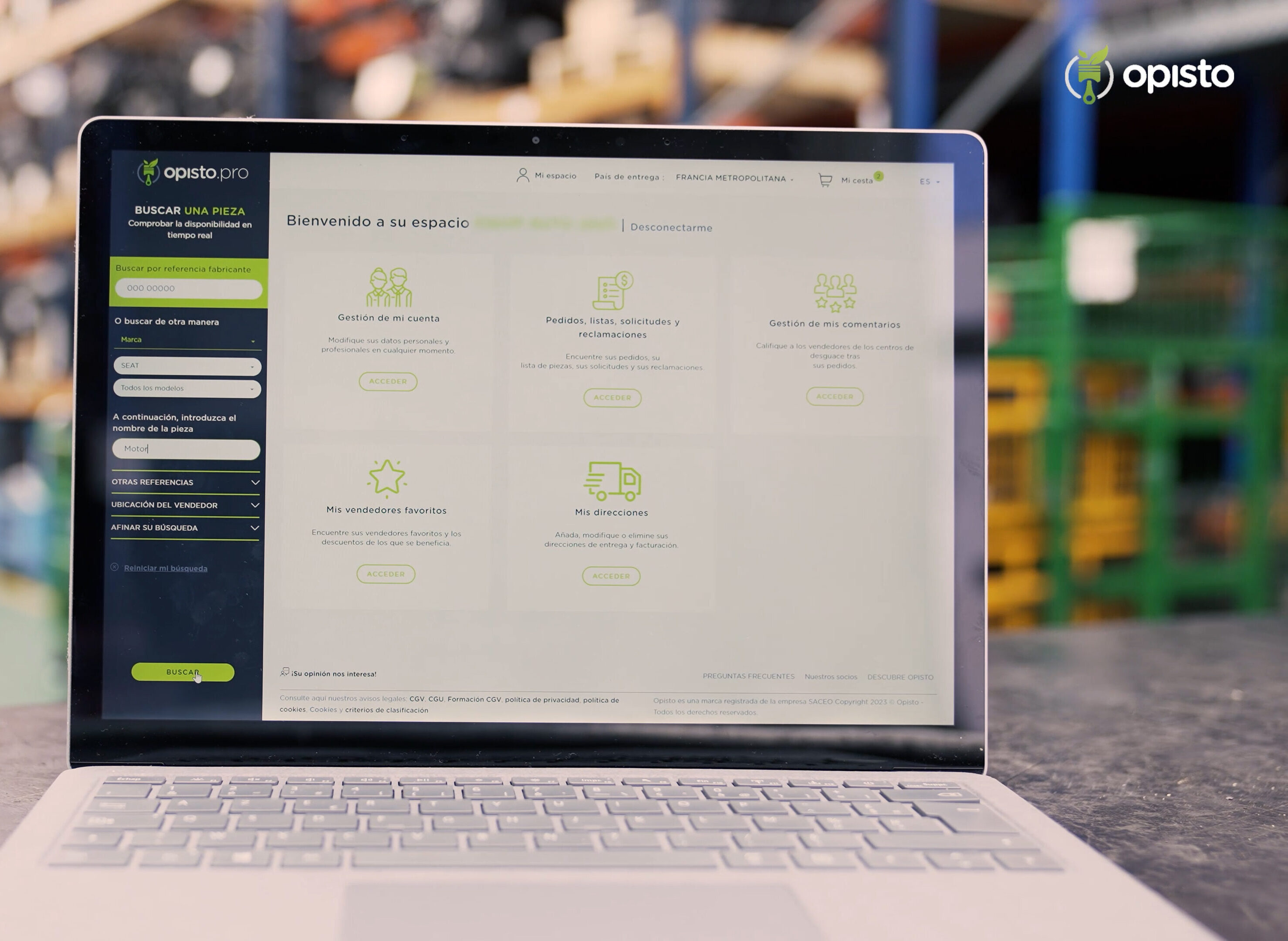
Opisto: a key player in the automotive circular economy
Opisto has established itself as Europe’s leading marketplace for used automotive parts. Its mission is clear: to structure, secure and digitalise the market by connecting the End-of-Life Vehicle (ELV) sector with motorists and automotive repair professionals across Europe.
A partner of INDRA Automobile Recycling, itself part of The Future Is NEUTRAL ecosystem, Opisto contributes to a broader ambition of building a more circular automotive industry. By making reused automotive parts more accessible, Opisto actively helps extend vehicle lifespans while reducing the environmental footprint of the automotive sector.
Meeting a market need
Opisto’s story began in 2008 during the preparation for the 4L Trophy rally. Faced with the challenge of sourcing used automotive parts, its future founders identified a major market gap: there was no digital solution enabling the End-of-Life Vehicle (ELV) sector to digitalise inventory management and sell spare parts online.
Two years later, Opisto was launched with a clear ambition: to make used automotive parts accessible to everyone by digitalising inventories and connecting supply with demand.
Sébastien BERGERET
CEO Opisto
“Our ambition with Opisto has always been simple: to make automotive reuse accessible to everyone while helping to build a sector that supports both environmental responsibility and innovation. Thanks to digitalisation and our partnership with INDRA and The Future is NEUTRAL, we are transforming a fragmented market into an efficient and trusted circular ecosystem.”
Dual expertise driving the automotive circular economy
Opisto’s business model is built on two complementary pillars:
- A dedicated software solution for the End-of-Life Vehicle (ELV) sector: the platform supports every stage of ELV operations, including administrative management, depollution, dismantling, inventory management and invoicing. It plays a key role in structuring and professionalising the automotive recycling industry.
- Marketplaces for reused automotive parts: Available to both private customers and automotive repair professionals (through Opisto.fr and Opisto.pro respectively), the platforms provide access to 11 million traced, inspected and guaranteed used parts. Offered at prices up to 70% lower than new parts, they provide a cost-effective and sustainable alternative.
An integrated strategy with INDRA and The Future is NEUTRAL
The partnership between Opisto and INDRA perfectly illustrates The Future is NEUTRAL’s vision: building integrated ecosystems that maximise the value of existing resources. While INDRA manages the collection, treatment and recovery of End-of-Life Vehicles (ELVs), Opisto enables the large-scale redistribution of reused automotive parts by ensuring quality, traceability and accessibility.
This combination of industrial expertise and digital solutions maximises the value of existing resources while accelerating the transition towards a more sustainable and circular automotive industry.
Olivier JEAN
Business Development & Partnerships Director, The Future is NEUTRAL
“With the support of our subsidiary INDRA, Opisto perfectly illustrates our strategy: strengthening our ability to accelerate the structuring of the automotive reuse industry by providing trusted and accessible digital solutions for the recovery of End-of-Life Vehicles and the resale of reused automotive parts, ultimately supporting the transition towards a circular economy at scale.”
Growth and European ambitions
Through its expansion across Europe, particularly in Spain and Italy, Opisto is steadily extending its footprint to support the growth of automotive reuse beyond France.
The company is now continuing its European expansion, with further developments planned in Germany, the Netherlands and Portugal.
Its ambition is clear: to become a leading European player in automotive reuse and to play a lasting role in transforming industry practices.
Through its concrete actions, Opisto is helping make reused automotive parts a mainstream choice, supporting the transition towards a more circular and sustainable automotive economy.
DOCUMENTS
Opisto / © Opisto
Download (JPEG, 508ko)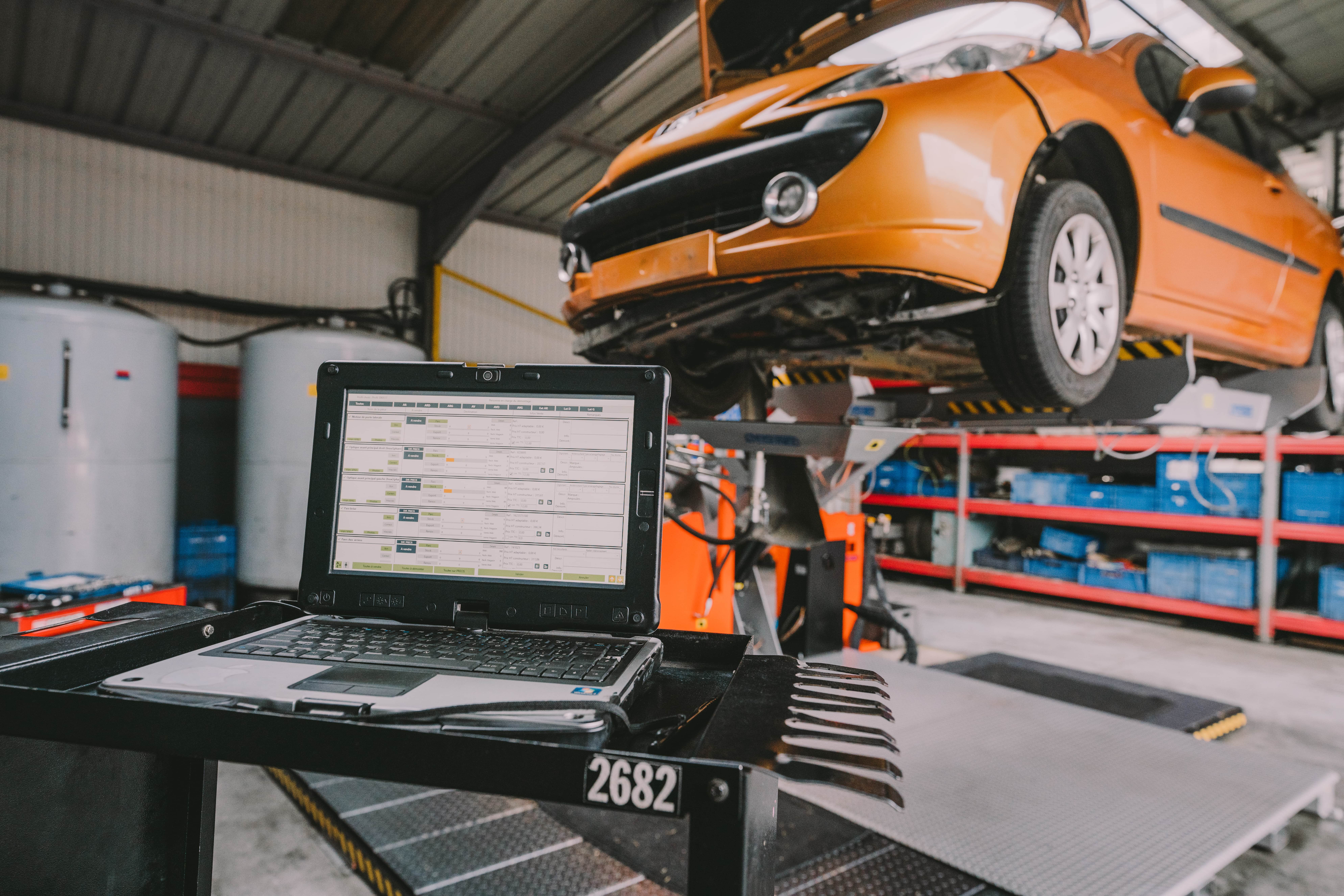
Opisto / © Opisto
Download (JPEG, 3mo)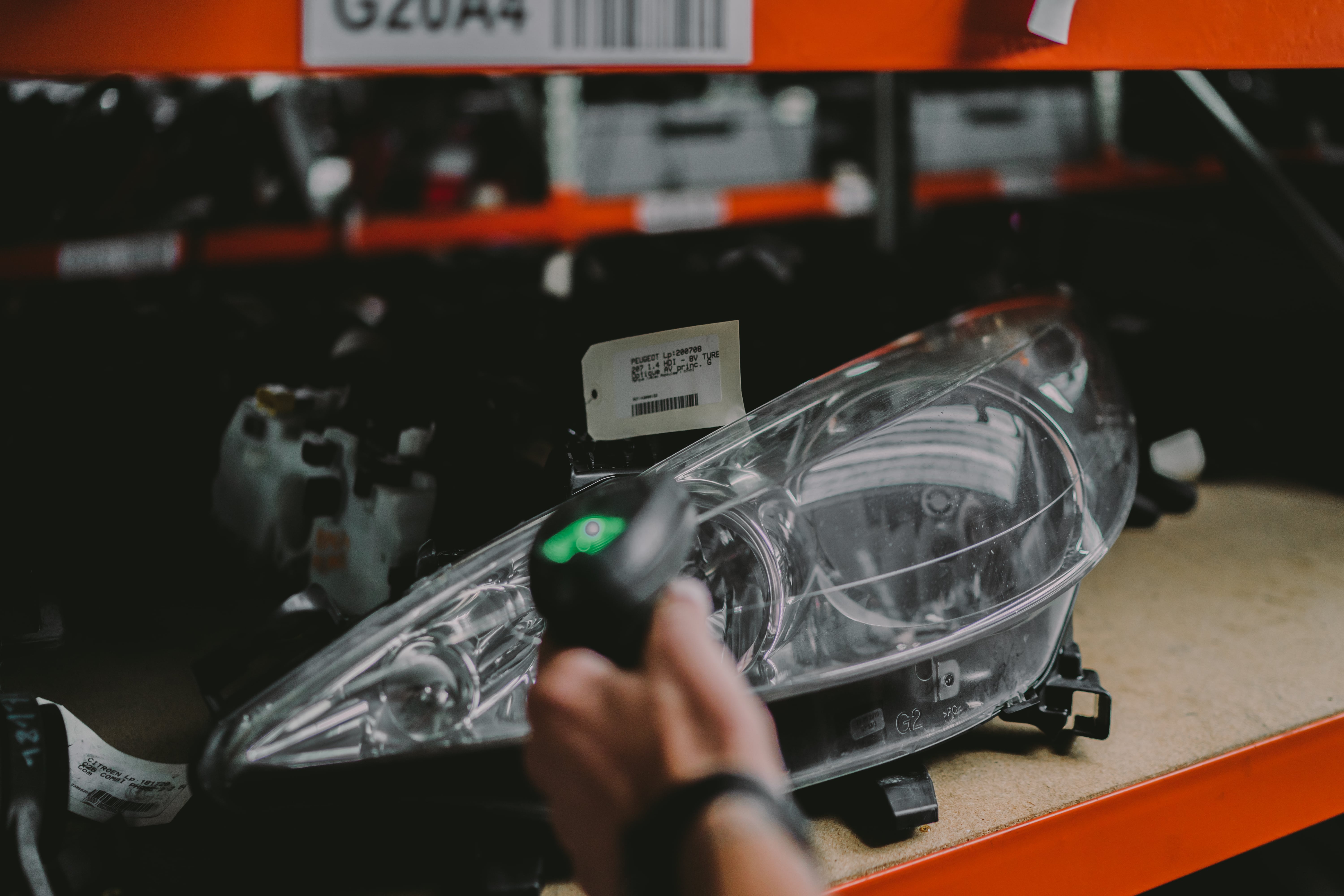
Opisto / © Opisto
Download (JPEG, 1mo)
THIS CONTENT
MAY INTEREST YOU
Employee profile
Nicolas LOUCHEZ
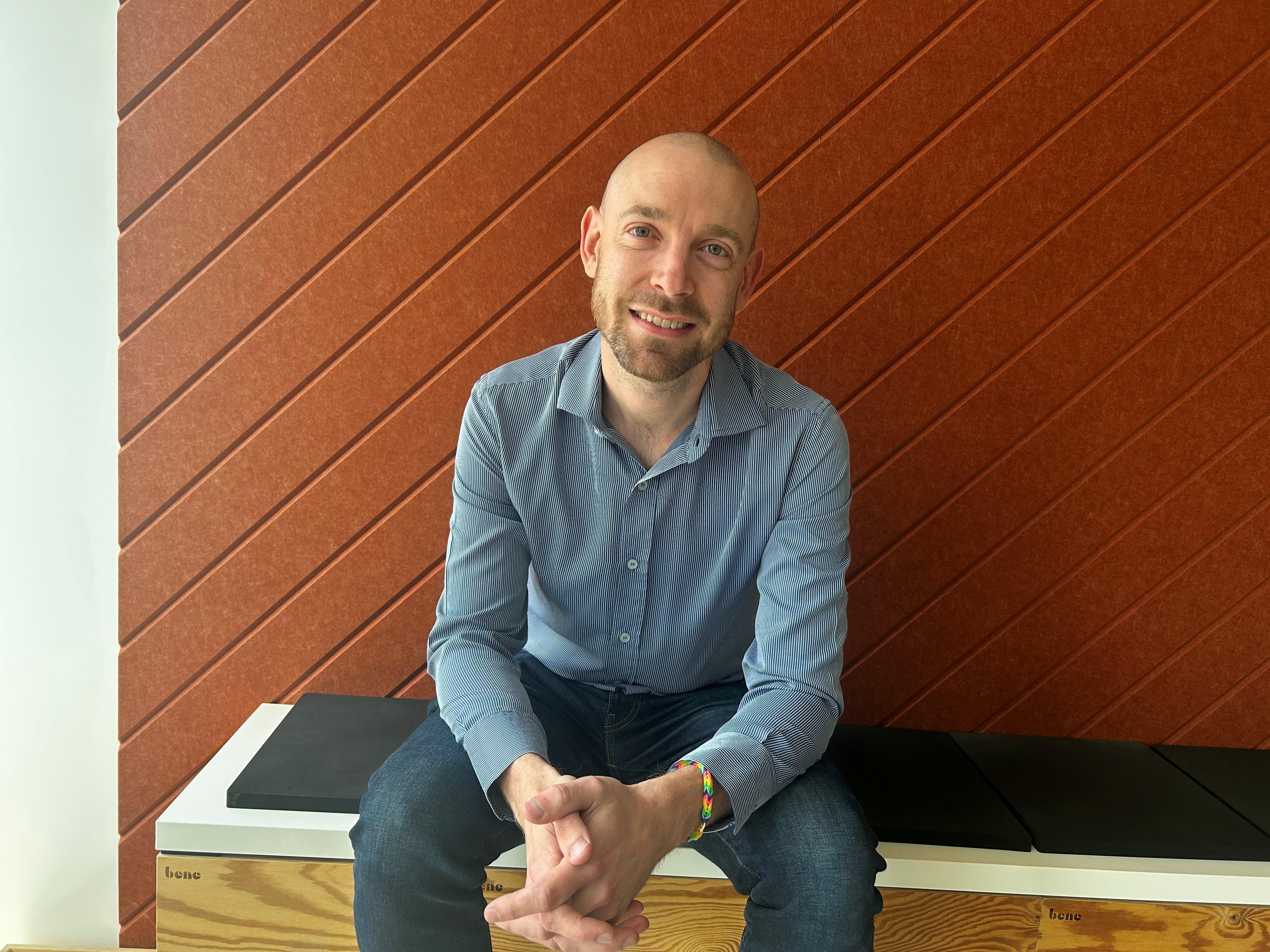
Nicolas, at the Heart of Battery Logistics Challenges Driving the Circular Economy
Supply Chain Expertise Built in Complex Environments
For more than fifteen years, Nicolas has been working at the heart of Supply Chain and logistics challenges, with a particular passion for rich, international, and complex environments.
A graduate of IMT Nord Europe in 2008, he began his career at Valeo Service in the Netherlands as a Supply Planner and Continuous Improvement Manager, overseeing the distribution of automotive spare parts across the Benelux region. He then joined FM Logistic as a Client Project Manager, leading warehousing and transportation projects.
Nicolas continued his career at Sisley Paris as a Supply Chain Project Manager in the luxury cosmetics sector before joining Renault Group in 2017. There, he was notably responsible for logistics flows related to electric battery repair. In 2021, he moved into the role of Packaging Business Developer, where his mission was to develop new packaging and logistics solutions, particularly around reusable packaging.
At every stage of his career, he has maintained the same approach: pragmatism, value creation, and the pursuit of practical solutions to sustainably improve the customer experience.
Building Circularity for EV Batteries
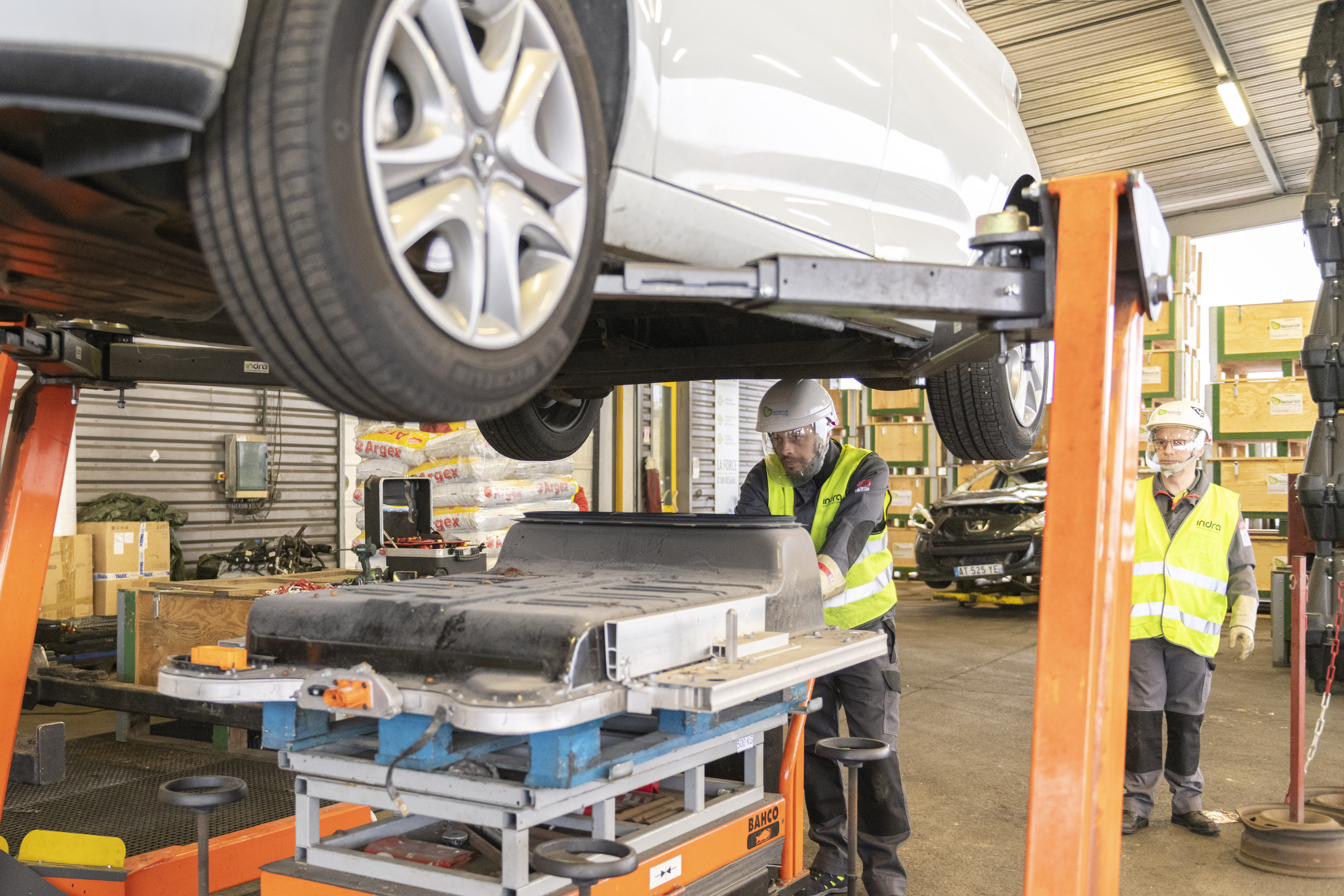
In 2024, Nicolas joined The Future is NEUTRAL to contribute to the development of the automotive circular economy through a strategic challenge: the collection and recycling of end-of-life electric vehicle batteries.
Today, as Logistics Leader Battery EV, he works on several key topics, including battery volume forecasting, opportunity and risk assessment for the business, and the implementation of the logistics solutions required to launch this new activity.
His objective is to structure flows capable of securing the collection and recovery of materials from automotive recycling, helping the automotive industry move toward greater resource neutrality.
Reinventing the Supply Chain for the Circular Economy
For Nicolas, the automotive circular economy represents a unique field of innovation, where every stage must be reimagined to build more sustainable business models.
This complexity is precisely what motivates him every day: designing robust solutions that balance operational performance, regulatory requirements, and environmental impact.
Music as a Guiding Thread
Outside of his professional activities, Nicolas plays the French horn both at a conservatory and in an orchestra. It is a demanding discipline that requires precision, attentive listening, and teamwork—qualities he also applies in his professional life.
Music enthusiasts may even have the opportunity to hear him perform with his orchestra on October 3, 2026, at the Jardin du Luxembourg in Paris!
Nicolas LOUCHEZ
Logistics Leader Battery EV – The Future is NEUTRAL
« What excites me about the automotive circular economy is the complexity of the challenges we need to overcome. At The Future is NEUTRAL, we are committed to making tangible progress on these issues and reconciling environmental impact with economic performance. »
THIS CONTENT
MAY INTEREST YOU
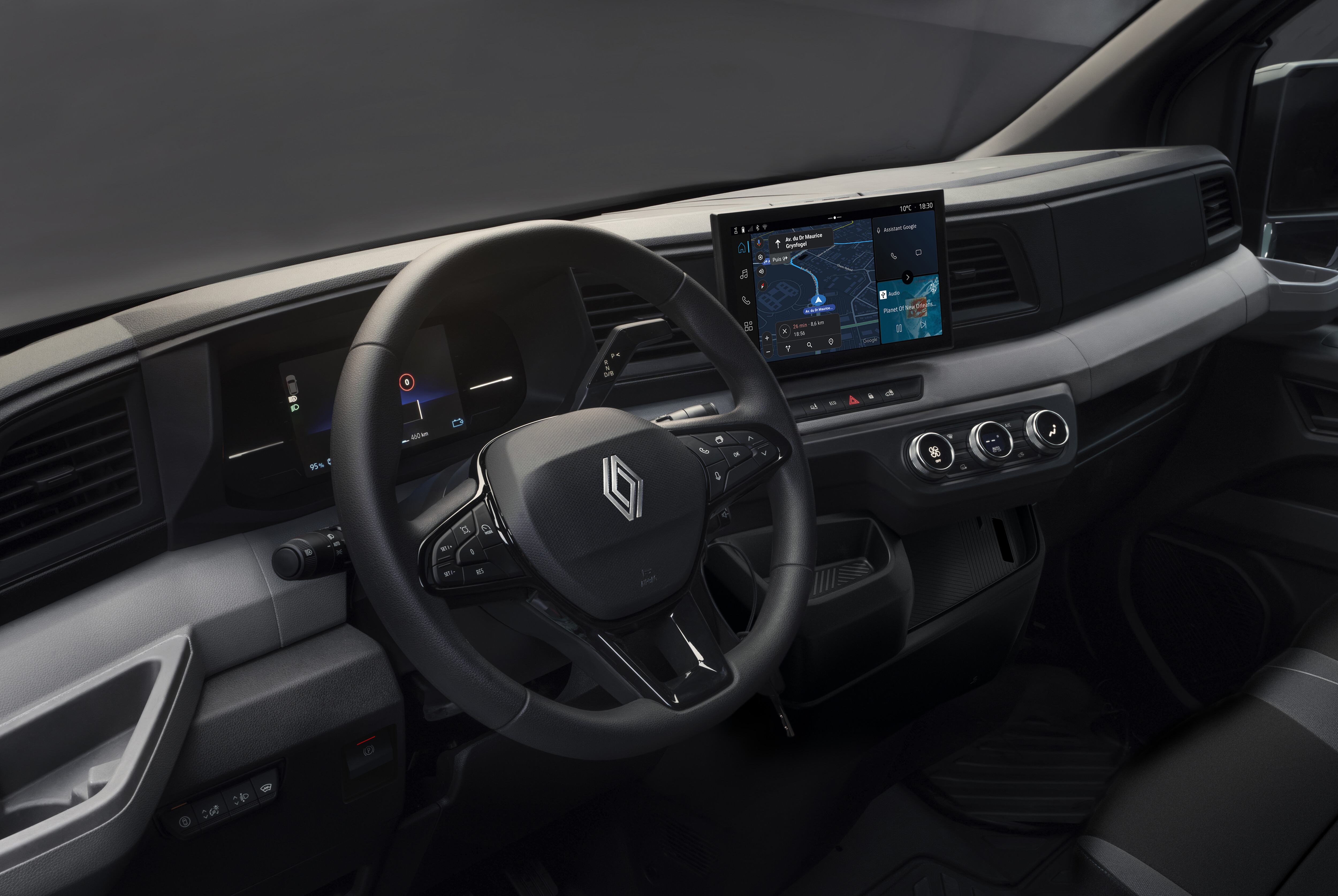
Renault MASTER incorporates recycled materials sourced from car to car recycling,
illustrating the circular economy promoted by The Future is NEUTRAL

The Future is NEUTRAL accelerates closed-loop automotive recycling
The automotive industry is entering a new phase of transformation: one in which the circular economy is fully integrated into vehicle design and production. At the heart of this shift, The Future is NEUTRAL, a joint subsidiary of Renault Group and SUEZ, is deploying an industrial-scale closed-loop circularity model for the automotive sector, from car to car.
This approach makes it possible to reintroduce materials recovered from end-of-life vehicles (ELVs) into the manufacturing of new vehicles. Through its industrial ecosystem, The Future is NEUTRAL enables this complete loop: end-of-life vehicles are first collected and dismantled by its subsidiary INDRA; materials are then collected, sorted, prepared, and recycled by its subsidiary GAIA before being reintegrated into the automotive value chain.
By supporting all automotive manufacturers in their recycling strategies, regulatory compliance, and decarbonization efforts, The Future is NEUTRAL is helping establish recycling as a major industrial driver.
When recycled materials gain a second life: the example of Renault MASTER
Renault MASTER provides a concrete illustration of this transition. For the first time, a material containing 20% recycled plastic sourced from end-of-life vehicles (ELVs) is being used in a visible area of the cabin: the upper section of the dashboard. Specifically, this involves polypropylene recycled from bumpers removed from end-of-life vehicles.
This development marks an important milestone for the automotive industry. Visible interior components are subject to particularly demanding standards in terms of perceived quality, mechanical strength, durability, and safety. Integrating recycled materials into this type of component demonstrates the industrial maturity of closed-loop automotive recycling.
With MASTER, Renault confirms its ability to incorporate recycled materials into its commercial vehicles without compromising performance or user experience.
An end-of-life vehicle can therefore become a strategic resource for producing the vehicles of tomorrow.

Sophie SCHMIDTLIN
CTO – The Future is NEUTRAL
“The real scaling of the automotive circular economy begins when recycled materials are no longer limited to secondary uses, but are reintegrated into demanding and visible applications in new vehicles. This is precisely the ambition of the car-to-car model driven by The Future is NEUTRAL”.
European regulations are accelerating the transformation of the automotive sector
The European regulatory framework is significantly strengthening this momentum.
On December 12, 2025, the Member States of the European Union and the European Parliament reached an agreement on future regulations concerning end-of-life vehicles and the use of recycled plastics.
Starting in 2032, at least 15% of the plastics used in cars and light commercial vehicles will have to come from recycled plastics sourced from post-consumer products, with 20% of that share originating from end-of-life vehicles (ELVs). This proportion will increase to 25% by 2036.
This regulatory shift is built around three major pillars:
- Improving vehicle design to facilitate dismantling, reuse, and recycling
- Introducing binding targets for the incorporation of recycled materials
- Strengthening producer responsibility for the collection and treatment of end-of-life vehicles
For automotive manufacturers, these regulations make recycling a strategic challenge, both industrially and economically.
Eco-design: embedding recycling into vehicle design from the outset
Achieving a circular economy in the automotive industry requires action long before a vehicle reaches the end of its life. This is the core challenge of Design for Recycling, an eco-design approach that integrates recycling requirements from the earliest stages of development.
Through its INDRA entity, The Future is NEUTRAL supports automotive manufacturers—particularly design teams—and suppliers in embedding this approach from the very first phases of product development. Together, they define strategies tailored to new market constraints while identifying opportunities for value creation.
The goal is to optimize both environmental and economic performance across the vehicle’s entire lifecycle.
In practical terms, this means:
- Designing components that are easy to dismantle
- Prioritizing assembly methods that facilitate material separation
- Anticipating future material recovery and recycling value chains
- Promoting large-scale reuse and recycling
This approach aims to ensure, at optimal cost, a vehicle that is at least 85% recyclable and 95% recoverable, in compliance with the requirements of the European ELV (End-of-Life Vehicles) regulation.
Renault MASTER provides tangible proof of this today: the future of a circular automotive industry is no longer a projection—it is already in production.
THIS CONTENT
MAY INTEREST YOU
Employee profile
Cyril MERLET
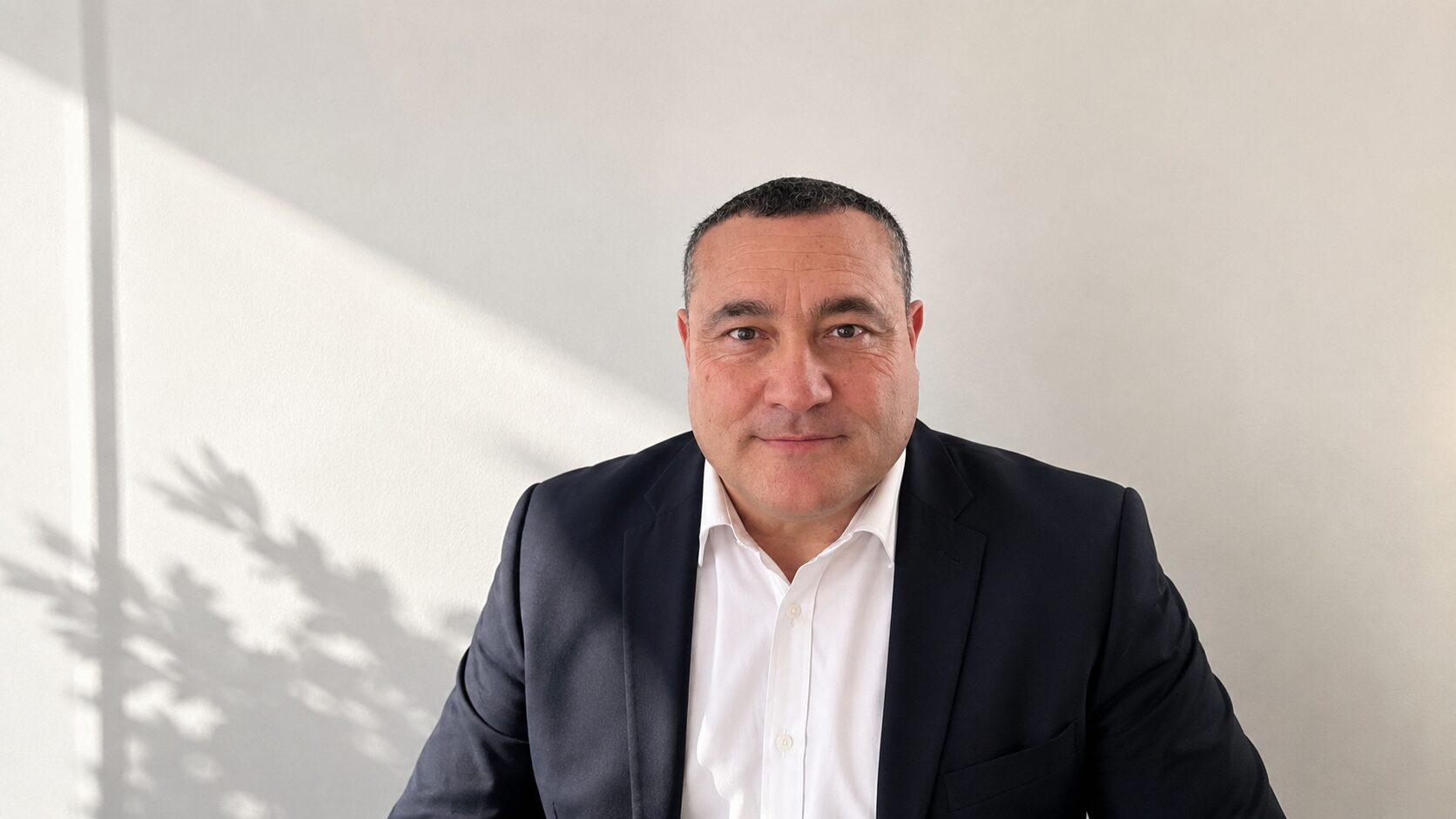
Cyril, an entrepreneur in automotive circularity since the very beginnings of GAIA
When Recycling Becomes a Calling
A graduate of ISITEM (Institute of Engineering Sciences in Thermal Energy and Materials), Cyril began his career in the engineering department at Renault Industrial Vehicles. However, he quickly chose to move closer to field operations and expanded his expertise with a specialization in water and waste treatment. In 1997, he joined Renault’s Recycling Project Department, where he worked on recovering waste generated by factories and automotive after-sales activities.
Through site visits and the projects he led, one conviction became clear to him: vehicle parts and vehicles themselves still hold significant untapped potential for reuse.
An Entrepreneur at Heart
An entrepreneur by nature, Cyril helped build the business by taking on every role necessary for its development: buyer, sales representative, workshop manager, and later team manager. This immersion in every operational aspect enabled him to contribute to the creation of processes and the development of the expertise that now form the strength of GAIA – The Future is NEUTRAL.
As the company reorganized into specialized business units in the early 2000s, he successively took on responsibilities in purchasing, production, and sales. For more than twenty-five years, he has supported the company’s growth by developing its activities, services, and overall performance.
His career path is also rooted in a family legacy. Coming from a business specializing in tire reuse and recovery, he began developing reuse activities while still a student, working on products such as inner tubes, Citroën suspension spheres, and cylinder heads for export markets.
Finding Solutions, Creating Value
What motivates him every day is the diversity of missions and the opportunity to think beyond conventional paths. Every project is a chance to take on new challenges, innovate, and build solutions, processes, and new growth opportunities—often from scratch. For him, unexpected challenges are only temporary obstacles, because he firmly believes that every problem has a solution.
Among his greatest sources of satisfaction is the shift in how recycling is perceived within the group. Seeing reuse evolve from a little-known activity into a recognized driver of industrial and environmental performance represents, for him, a major collective achievement.
And among its recent successes, he highlights the renewal of the partnership with GRDF for recycling its end-of-life vehicle fleets.
Team Spirit, On the Field and in Sport
Outside of work, Cyril has nurtured a passion for handball for more than forty years. As a player up to France’s National 2 level, and later as a coach and club manager, he learned discipline, teamwork, analytical thinking, and the constant pursuit of performance.
He also enjoys designing or adapting objects and tools to meet specific needs in DIY and home decoration projects. And whenever possible, he gets on his motorcycle to explore the roads of the Provençal countryside and beyond.
Cyril Merlet
Head of Vehicles Department chez GAIA – The Future is NEUTRAL
“In our industry, every problem has a solution. You need to be able to imagine it, build it, and help it grow. It is this ability to turn constraints into opportunities that makes the circular economy so fascinating.”
THESE CONTENT
MAY INTERESED YOU
Will the car of the future
be 100% circular?
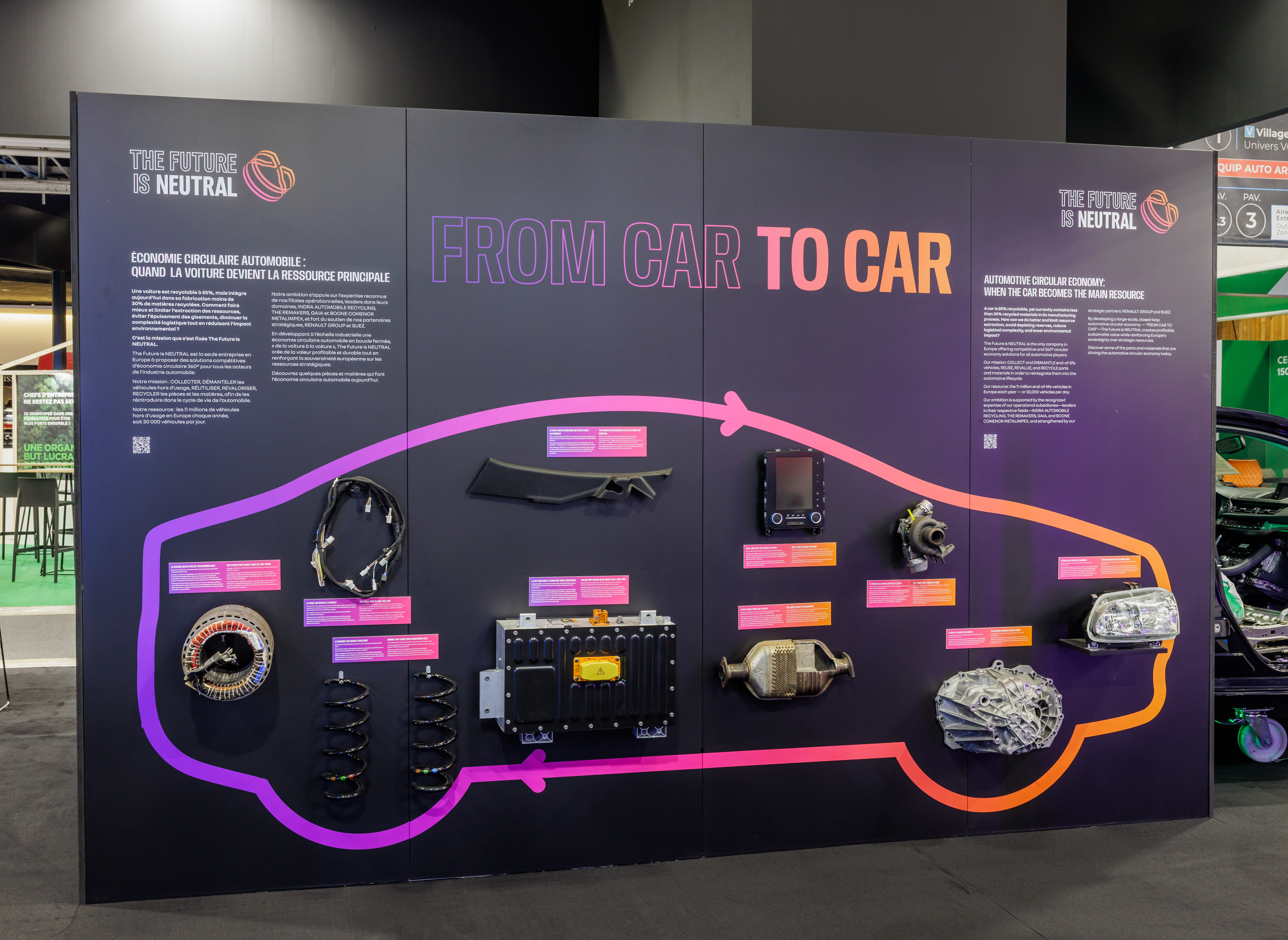
Analysis by Rémi Gancel, Head of Strategy at The Future is NEUTRAL, on the transformation of the automotive industry.
An automotive end-of-life sector that is now industrialised
The image of the “car scrapyard” with vehicles piled on top of one another no longer reflects the reality of the industry. Today, a vehicle’s end of life is part of a structured, supervised, and highly regulated industrial sector. In France, more than 1 million end-of-life vehicles (ELVs) are processed each year across approximately 1,700 authorised treatment centres. Far from being simple storage or destruction sites, these facilities follow a precise industrial process: collection and traceability, depollution, dismantling of parts for reuse or repair, and finally the recycling of materials.
This organisation reflects a profound shift in mindset: vehicles are no longer viewed as waste at the end of their life cycle, but as a genuine source of valuable resources.
From waste to resource: a shift in economic thinking
This evolution reflects a structural transformation of the automotive economy. An end-of-life vehicle is no longer seen solely as a treatment cost, but as a collection of materials and components that can be recovered and reused.
In practice, each vehicle goes through several stages. First, it is tracked and registered to ensure compliant processing and prevent illegal channels. It is then depolluted — a critical step involving the removal of fluids (such as oils and fuels) and hazardous components like batteries. Next comes dismantling, during which still-functional parts are extracted for reuse or repair. Finally, the remaining materials are shredded, sorted, and transformed into recycled raw materials, including steel, aluminium, and plastics that can be reintegrated into industrial production.
End-of-life vehicles, a large-scale “urban mine”
This new approach is based on a key idea: an end-of-life vehicle is an urban mine.
At the European scale, more than 10 million vehicles reach the end of their life each year, representing a massive pool of resources to be recovered. Three main categories of value can be identified. First, materials such as steel, aluminium, copper, or plastics. Second, components, including body parts, mechanical and electronic components that can be reused or remanufactured. Finally, batteries, which are becoming increasingly strategic with the rise of electric vehicles.
In a circular economy perspective, it therefore becomes more relevant to recover these existing resources than to extract new ones. The environmental benefits are also significant: by reusing, remanufacturing, and recycling existing materials, this approach reduces the environmental footprint of automotive production. It helps lower CO₂ emissions, reduces ecosystem damage linked to mining extraction, and decreases water consumption, thereby contributing to mitigating water stress.
Batteries and critical metals: a central industrial challenge
The electrification of the vehicle fleet has profoundly transformed the very nature of end-of-life vehicles. Batteries have become a central issue, both technologically and strategically.
Two main pathways currently exist for their recovery. The first is reuse through second-life applications, where still-functional batteries can be repurposed for stationary energy storage systems. The second is advanced closed-loop recycling, which enables the recovery of critical metals such as lithium, cobalt, and nickel, refining them to a purity level equivalent to virgin materials so they can be reused in the manufacturing of new batteries.
In a context of resource scarcity, these materials represent a major issue of industrial sovereignty.
A still incomplete circularity despite an ambitious framework
From a regulatory standpoint, Europe sets high targets: 85% reuse or recycling and 95% overall recovery of end-of-life vehicles. These targets are broadly met in terms of volumes, but the industrial reality is more nuanced. A share of materials is still directed towards energy recovery, particularly incineration. Some plastics and composite materials remain difficult to process efficiently. Finally, recycled materials are often downcycled into industries that require materials with lower chemical and mechanical performance thresholds than the automotive sector.
In other words, while volumes are significant, the loop is not yet fully closed.
The paradox of new vehicles: little recycled content in modern cars
One of the most striking observations concerns the composition of new vehicles. Despite the existence of a significant supply of recyclable materials from end-of-life vehicles, new cars still contain less than 30% recycled content today.
Moreover, these materials do not primarily come from end-of-life vehicles, but rather from industrial scrap generated during production. The loop between end-of-life vehicles and manufacturing therefore remains only partially closed.
Structural barriers to full circularity
Several factors explain this situation:
- The first is economic: virgin raw materials often remain less expensive than recycled materials, as they require less transformation to achieve the required mechanical properties needed for reintegration into an automotive supply chain.
- The second is industrial and logistical. The collection, sorting, and scaling-up of material flows for recycling remain complex to organise at an industrial scale.
- The third is technological, with increasing complexity in modern vehicles, particularly batteries that combine different chemistries and architectures.
Finally, a major barrier lies in vehicle design itself, as vehicles are not yet systematically engineered to be easily dismantled and recycled.
Reuse and reconditioning: extending the service life of vehicles
In this context, the reuse of parts is a key lever. Many components can have a second life, whether mechanical parts such as engines or gearboxes, body parts, or electronic components.
Remanufacturing goes even further. It involves restoring a part to like-new condition through a fully industrial process, delivering quality equivalent to new, a manufacturer’s warranty, a reduced cost of up to 30%, and a significantly lower environmental footprint.
An already large-scale industrial sector
At the scale of specialised players, automotive circularity is already an industrial reality.
A network such as The Future is NEUTRAL processes around 250,000 end-of-life vehicles each year through its network. This activity enables more than 10 million reused parts to be put back into circulation, 300,000 parts to be remanufactured in its dedicated plant, and over 2 million tonnes of materials to be recovered.
These figures illustrate a major transformation: circularity is no longer marginal, but is becoming a structuring industrial model.
Towards a vehicle designed as a source of resources
The question is no longer simply about improving the recycling of end-of-life vehicles, but about rethinking the entire automotive lifecycle. The car of the future will not only be recycled after use. It will need to be designed from the outset as a reservoir of materials and components, intended to be efficiently dismantled, reused, and recycled. Only under this condition will the automotive industry be able to truly shift from a linear model to a closed-loop circular model, where each vehicle becomes the resource for the next.

Rémi GANCEL
Head of Strategy – The Future is NEUTRAL
“We have changed the way we look at end-of-life vehicles. Long regarded as waste or a cost, they have become, thanks to the work of dismantling industry players, a genuine industrial resource. They are a concentration of materials, technologies, and components that have already been extracted, already processed, and are available locally. In this logic, the goal is no longer simply to recover value, but to capture as much of it as possible by closing the loop: reusing, remanufacturing, and recycling in order to directly reintegrate these resources into the automotive value chain. The vehicle thus becomes a fully circular system, capable of feeding the next generation of vehicles. Today, we must go further: scale up by accelerating the structuring of the sector.”
THIS CONTENT
MAY INTEREST YOU
Employee profile
Pauline SANCHEZ
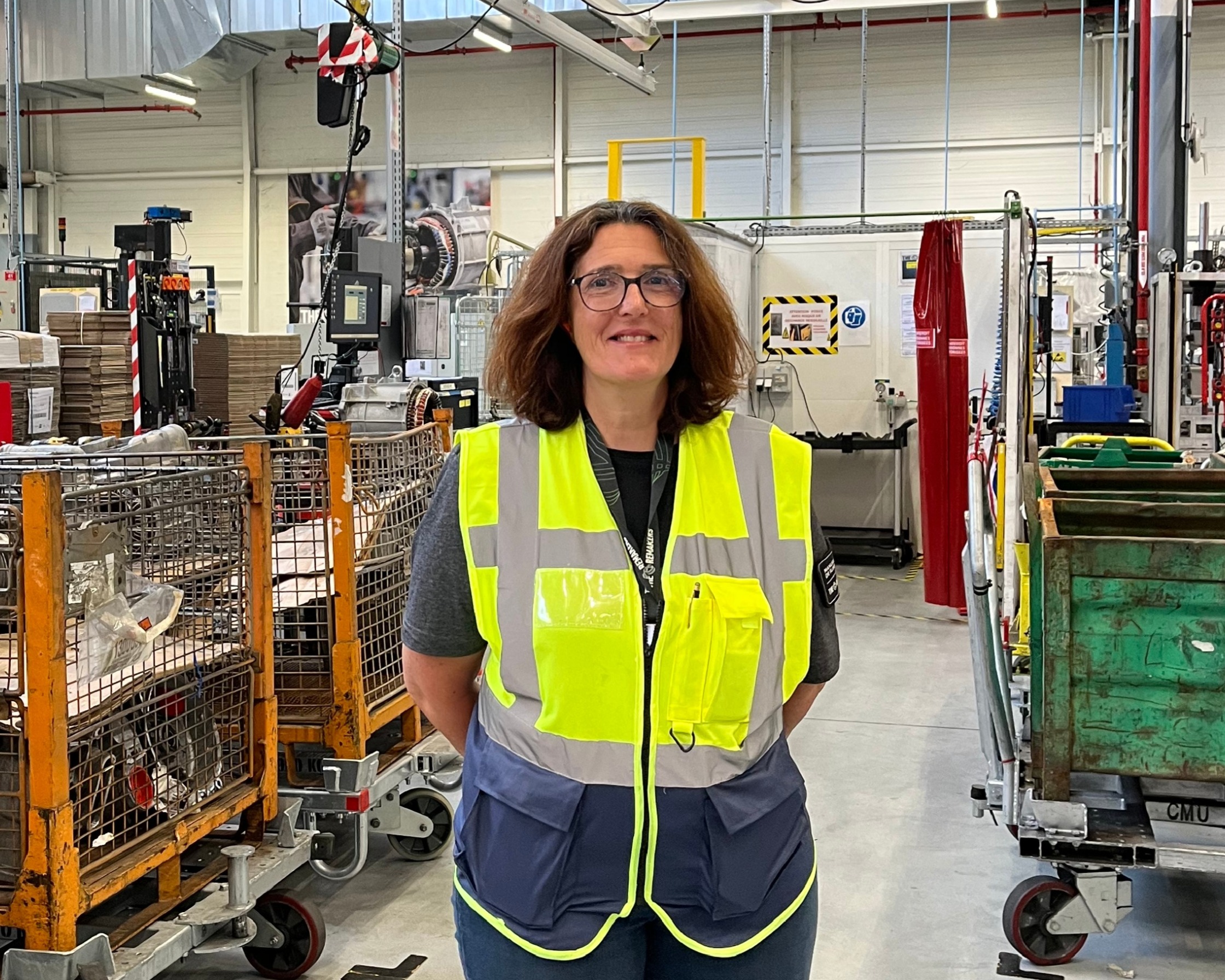
Pauline: A Workshop Manager Committed to a More Sustainable Industry
A Career Shaped by Opportunities
With a degree in accounting and initial experience at a company specializing in exhibition stands, Pauline Sanchez joined Renault Group in 2001 at the Refactory site in Flins (France), within the Manufacturing and Assembly Division.
Curious and highly committed, she quickly progressed and joined the Quality Department as early as 2002, where she held several roles over the years.
In 2013, she reached a new milestone by moving into management positions as a Quality Team Manager. This pivotal experience confirmed her passion for team management and operational leadership.
A Natural Fit with the Circular Economy
Since 2023, Pauline has been Manufacturing Workshop Manager at The REMAKERS, the entity of The Future Is NEUTRAL dedicated to the remanufacturing of automotive parts for internal-combustion, hybrid, and electric vehicles.
Although this activity was not initially part of her career plan, it quickly became an obvious choice. Pauline strongly identifies with the values promoted by THE REMAKERS and with the principles of the circular economy: refurbishing parts and contributing to more responsible production.
At the Heart of Collective Performance
On a daily basis, she leads manufacturing teams responsible for assembling gearboxes and electric motors (PEC, 5AX), both new and remanufactured, as well as refurbishing injectors and injection pumps. She also contributes to the remanufacturing of injectors for dealer networks.
She manages two unit managers and a team of 18 employees, occasionally reinforced by temporary staff depending on activity levels.
Her main challenges are ensuring production volumes without compromising quality or safety, supporting the development of electric powertrain assembly, and maintaining strong team cohesion.
Bringing Meaning to Her Commitment
For Pauline, the circular economy makes complete sense. Producing less, reusing more, and extending the lifespan of parts are all concrete ways to contribute to a more responsible industry and preserve resources.
When she arrived in Flins 25 years ago, she never imagined spending her entire career there. At the time, her goal was simple: to work as part of a team while maintaining a healthy work-life balance so she could enjoy time with her two children. The years passed, her children grew up… and Pauline remains deeply motivated by her commitment to THE REMAKERS and by an environment where she feels fulfilled.
Balance Beyond the Workshop
Outside of work, Pauline enjoys walking, running, and taking on sporting challenges like the Paris-Versailles-Mantes race. She also enjoys bikepacking trips and, more generally, spending time close to nature — an essential balance that helps her recharge and stay energized every day.
Pauline SANCHEZ
Manufacturing workshop manager, THE REMAKERS – The Future is NEUTRAL
“What motivates me today is producing differently: giving parts a second life, combining performance with responsibility, and bringing my teams together around a shared and meaningful mission.”

THIS CONTENT
MAY INTEREST YOU
Employee profile
Nathalie REY
Nathalie, the architect of circular and collaborative innovation at an industrial scale
A Transformation Expert Dedicated to the Circular Economy
At the intersection of innovation, industry, and consulting, Nathalie has established herself as a committed advocate for the transition to a large-scale circular economy. As Head of Innovation Hub and Chief Consulting Officer at The Future is NEUTRAL since its founding in 2022, she supports companies—from SMEs to large corporations—in the practical integration of circular models into the core of their strategy and operations.
A Background Rooted in Change Management
A graduate of the IAE Aix-Marseille Graduate School of Management, Nathalie earned a Master’s degree (Master II) in Management and Change Leadership in 1998, as well as a university diploma in relational management. This academic foundation laid the groundwork for a career entirely dedicated to supporting organizational transformation, agility, and collaborative work.
Leading the Innovation Hub to Scale Circular Solutions
At The Future is NEUTRAL, she leads the Innovation Hub, located at the heart of the Refactory—an open innovation space dedicated to the circular economy in the automotive and mobility sectors. This hub welcomes startups, entrepreneurs, and SMEs to test, accelerate, and scale their circular solutions.
Her work is structured around three complementary pillars: an “industrial circular economy” incubation program aimed at large-scale development, a “Manufacture as a Service” offering supporting the industrialization of startups, and a hosting solution providing access to an industrial and collaborative ecosystem.
At the same time, through NEUTRAL Consulting, she contributes to the development of a pragmatic consulting offering based on hands-on experience in industrial operations, including collection, dismantling, reuse, remanufacturing, and recycling, for a wide range of industrial players—from SMEs to large corporations.
Career at Renault Group: A Recognized Communications Expert and Change Agent
Before joining The Future is NEUTRAL, Nathalie held various roles within Renault Group in communications, digital, and employer branding.
In 2014, she became Chief of Staff in the Communications Department, before leading digital transformation programs aimed at fostering agility and collaboration across the Group.
An Intrapreneur Committed to New Collaborative Models
In 2016, she co-founded Square Paris, a collaborative third place dedicated to exploring the future of mobility and new ways of working. Designed as a hybrid and open space, this venue fosters co-governance among startups, associations, researchers, and think tanks, and enables the emergence of open innovation projects that drive internal transformation. Today, she remains actively engaged in the entrepreneurial ecosystem through mentoring.
A Creative and Resolutely Collaborative Personality
Optimistic and cheerful, Nathalie embraces a deeply human approach to innovation. A true multi-talented individual, she nurtures her creativity through sewing, collage, interior design, painting, flea markets, furniture restoration, and gardening.
These passions echo her professional commitment: to repair, transform, and reinvent—always through collective effort.
Nathalie REY
Head of Innovation Hub and Chief Consulting Officer – The Future is NEUTRAL
“The circular economy isn’t something that can be imposed by decree; it must be tested, scaled up, and built collectively, grounded in reality.”
THIS CONTENT
MAY INTEREST YOU
Employee profile
Aurélie VUILLEMIN
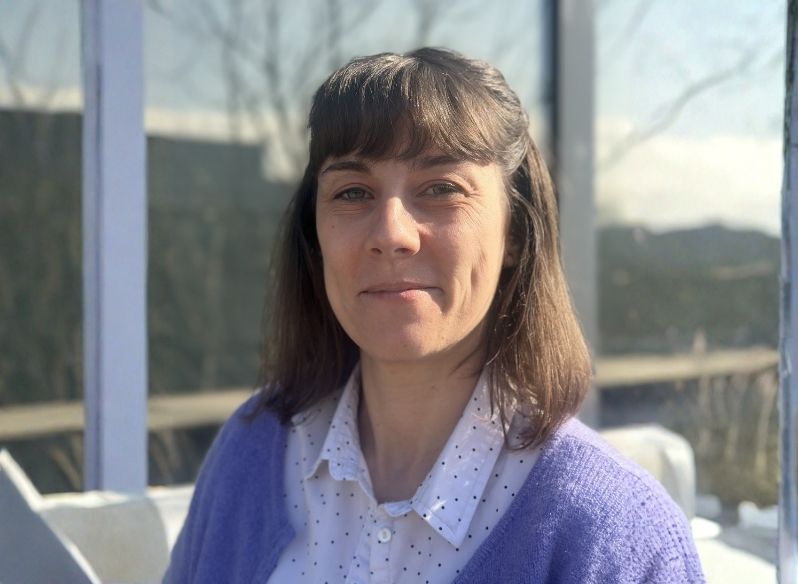
Aurélie, builder of circularity at INDRA
As Head of the Materials Development, Remanufacturing and Batteries Team at INDRA Automobile Recycling, a subsidiary of The Future is NEUTRAL, Aurélie embodies a unique career path at the intersection of scientific excellence, management and the circular economy. Her career has been guided by a quest for purpose and a desire to take concrete action to drive industrial transformation.
A leading scientist with a background in engineering
Graduated with a Master’s degree in Physics, specialising in Acoustics, from the Sorbonne University UPMC, Aurélie went on to complete a PhD thesis in vibroacoustics (2008–2011), which was awarded the jury’s distinction. This scientific background forms the foundation of a technical career characterised by rigour and systemic analysis. In 2020, she enhanced her profile with a Management & Leadership programme at Grenoble Ecole de Management, confirming her rise to greater managerial responsibility.
Thirteen years at the Renault Group, combining technical expertise and leadership
She joined the Renault Group in 2008 as part of her PhD research within the Research Department. There, she carried out specialist research into the acoustic and vibrational perception of diesel engines as part of a France-Germany cross-cultural study, during which she spent a year in Germany. Following her PhD, she progressed rapidly: she became the acoustics lead on several major vehicle projects (Clio IV, Twingo III, Smart), a global technical lead, manager of a team of 15 staff, and then client project manager for the Megane E-TECH within the Customer Services Department.
The turning point: giving meaning to one’s expertise
In 2021, a skills assessment provided valuable insights. Two objectives emerged clearly: to join a company on a human scale and to play an active role in the circular economy. The following year, she joined INDRA Automobile Recycling as a Business Developer, before moving into a role as Project Manager for commercial strategy development, with a cross-functional remit covering materials recycling.
A strategic role at the heart of the automotive recycling industry
Since 2025, Aurélie has been leading a newly created team within the Services Business Unit, dedicated to materials development, remanufacturing and batteries. This is a strategic role in the context of the automotive sector’s transformation.
Building on her cross-functional work on recycled materials, she has now taken on managerial responsibility for a key area encompassing two major pillars of recycling: remanufacturing and electric batteries. Her aim is to build a team capable of making INDRA a key player in materials recycling.
An engaged personality, extending beyond the scope of work
Alongside her career, Aurélie pursues two unifying passions: volleyball and music. Having been deeply involved in the volleyball section of the Renault Group sports association – where she served as president between 2014 and 2018 – she competed in the Ile-de-France inter-company league. A committed musician, she was first violin in the ARCANA amateur orchestra in Boulogne-Billancourt for eight years and is continuing her musical journey with a new symphony orchestra in Lyon, LA FOSSE Ô LYON.
A coherent trajectory focused on the future
From the research laboratory to industrial circularity, one thing has consistently defined Aurélie’s career: her ability to combine technical expertise, leadership and transformation. Today, as head of a strategic team, she is fully engaged with the sector’s future challenges, where innovation, management and the circular economy converge.
Aurélie VUILLEMIN
Head of the Materials, Remanufacturing and Batteries Development Team, INDRA – The Future is NEUTRAL
“Giving materials and components a second life means making a very tangible contribution to the sustainable transformation of the automotive industry.”
THIS CONTENT
MAY INTEREST YOU
Electric car battery recycling:
an industrial challenge

Recycling electric vehicle batteries: a strategic priority for Europe and the industry
The lithium‑ion traction battery is the heart of an electric vehicle. It determines its range, performance, and durability, and represents up to 40% of its value. With the accelerating shift to electric mobility—essential to meeting the 2050 climate targets—battery recycling is no longer optional. It has become a major industrial, economic and environmental challenge, as well as a key lever of strategic sovereignty for Europe, explains Sophie Schmidtlin, Chief Technology Officer at The Future is NEUTRAL, the circular‑economy subsidiary of Renault Group and Suez.
Key takeaways:
- The European Union is currently heavily dependent on imports of critical materials needed to manufacture lithium‑ion batteries for electric and hybrid vehicles.
- To address this sovereignty challenge, EU regulations require increased recycling of the minerals used in batteries by setting minimum recycled‑content thresholds by 2030.
- To achieve this, Europe must build a competitive, large‑scale industrial ecosystem around batteries.
- The Future is NEUTRAL already supports car manufacturers by managing and processing end‑of‑life batteries
The Battery recycling industry is essential for Europe’s strategic autonomy
Today, the European Union imports more than 80% of the critical metals needed to produce lithium‑ion batteries for electric or hybrid vehicles. This dependency stems from the scarcity of domestic mining resources as well as the concentration of refining activities in Asia. In this context, recycling battery production scrap (from gigafactories) and end‑of‑life batteries locally is the most effective way to reduce dependence.
European regulations provide a clear direction. Circularity is recognized as a pillar of sovereignty, with a quantified objective: by 2030, at least 25% of Europe’s annual consumption of critical raw materials must come from recycling. It’s ambitious… but achievable if we scale up rapidly
The lithium‑ion battery: an “urban mine” in Europe
Production scrap and end‑of‑life batteries form a geographically concentrated resource in Europe. They are highly enriched in strategic battery materials (lithium, nickel, cobalt, manganese, and copper), with concentrations higher than natural ores. Even better: these metals can be recycled infinitely with high recovery rates.
This positions recycling as the industrial backbone of the transition: securing supply, reducing the battery’s carbon footprint, and reinjecting recycled materials into the manufacturing of new batteries. A true “from Car to Car” circular model for electric vehicles.
However, regulations do not require that recycled materials come from a European recycling industry: as long as traceability is ensured, manufacturers can source them outside the EU.
Industrial translation: if Europe does not immediately invest in its own recycling value chain, it risks recreating dependency—this time on recycled materials—and allowing other regions to capture the associated economic and technological value. Conversely, rapidly developing local collection and refining capacities accelerates Europe’s strategic autonomy.
Building a competitive European battery recycling industry: an industrial imperative
To be competitive with Asian supply chains and the cost of virgin metals, Europe must:
- optimize costs and operations across the value chain: streamline battery collection, maximize metal‑recovery yields…
- increase the volume of materials to recycle to secure investment and unlock economies of scale
- support industrialisation through appropriate public‑policy mechanisms
- anticipate the diversity of battery chemistries and architectures
Beyond securing supply, a strong European ecosystem also reduces the carbon footprint of batteries manufactured in Europe—one of the core objectives of the EU Batteries Regulation.
Extended producer responsibility applies to EVs and their batteries
Since August 2025, European car manufacturers have been responsible for the end‑of‑life management of the batteries they place on the market. This Extended Producer Responsibility (EPR) requires them to organize and finance the collection, recycling, and traceability of batteries.
At The Future is NEUTRAL, we support manufacturers in meeting these requirements and in building a genuine circular economy for EV batteries.
In France, we operate the first Individual Battery Compliance Scheme for Renault Group, in partnership with our subsidiary INDRA AUTOMOBILE RECYCLING, the national leader in end‑of‑life vehicle processing, and with our shareholder SUEZ.
In practice, we manage:
- safe battery removal
- handling and processing in certified dismantling centers
- sorting, transportation, discharge, and dismantling
- final recycling in line with EU requirements
This model paves the way for a fully circular “from Car to Car” loop, where materials from one battery are used to manufacture a new one.

Extending Battery Life Before Recycling
Recycling is only the final step in a battery’s life cycle. Thanks to repair and reuse, a battery can remain in service for over 15 years. It can then be repurposed for stationary energy‑storage applications before its final recycling. This is a critical pillar for optimizing the environmental and economic performance of the entire value chain.
Towards European battery sovereignty
Building sovereignty over battery materials is a strategic priority for Europe, and it requires the rapid industrialization of a recycling ecosystem. Scaling up, standardizing, and consolidating the industry will enable Europe to retain economic and technological value and secure the transition to truly sustainable mobility.
FAQ

It helps reduce Europe’s dependence on imported critical metals required for lithium ion battery manufacturing. By locally recycling production scrap and end of life batteries, Europe secures its supply, lowers the carbon footprint, and creates a true circular industrial ecosystem. These batteries represent a highly valuable “urban mine,” richer in strategic metals than natural ores.
EU legislation makes recycling a key pillar of strategic sovereignty. The Critical Raw Materials Act (CRMA) sets an objective: by 2030, at least 25% of annual consumption of critical raw materials must come from recycling.
The EU Battery Regulation (EU) 2023/1542 also imposes minimum recycled content thresholds for new batteries to obtain vehicle approval:
• From 18 August 2031: 16% cobalt, 6% nickel, 6% lithium
• From 18 August 2036: 26% cobalt, 15% nickel, 12% lithium
Since August 2025, manufacturers are also responsible for end of life battery management under the Extended Producer Responsibility (EPR) framework.
The Future is NEUTRAL supports manufacturers in meeting their collection and recycling obligations. In France, the company operates the first Individual Battery Scheme for Renault Group, alongside INDRA AUTOMOBILE RECYCLING and SUEZ. It manages:
• safe battery removal
• processing in certified dismantling centers
• sorting, transport, discharge, and dismantling
• final recycling compliant with EU standards
This model enables a fully circular “from Car to Car” loop where materials from an old battery support the manufacturing of a new one.
No. Recycling is the last phase of a battery’s lifecycle. Before that, repair and reuse can extend its primary life for more than 15 years. Once removed from a vehicle, a battery can also be repurposed for stationary energy storage. This extension maximizes its utility and reduces its overall environmental impact.